
Advanced Hydrocolloid Copper Peptide Pimple Patches for Visible Improvement Overnight
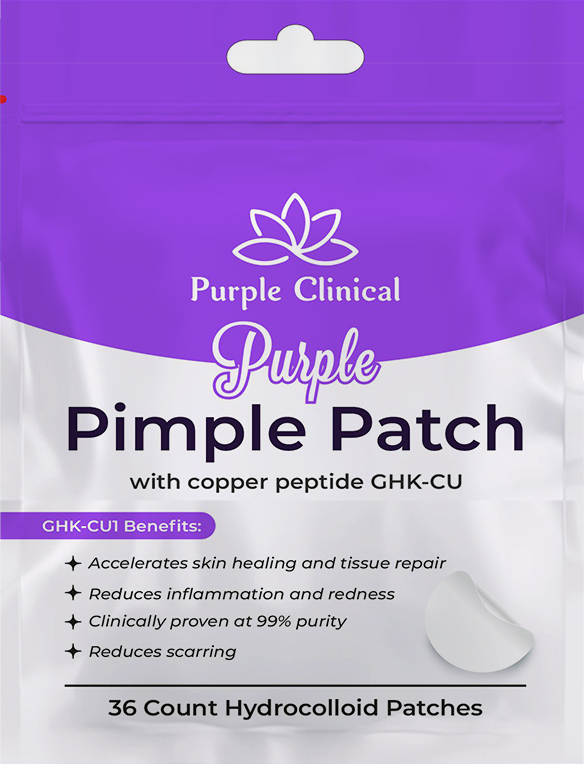
36 Count
- New Customer? Get 20% Off
Our Secret Ingredient: Why Copper Peptide Pimple Patches Work
What makes Purple Pimple Patches different? GHK-CU peptide1 – a powerful peptide that works at the cellular level.
GHK-CU1 Benefits:
- Accelerates skin healing and tissue repair
- Reduces inflammation and redness
- Promotes collagen production for smoother skin
- Clinically proven at 99% purity
- Reduces scarring
- Order Your Patches
Get Your Copper Peptide Pimple Patches Today
30-day money-back guarantee • Free shipping on all orders
How to Use
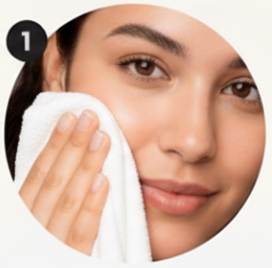
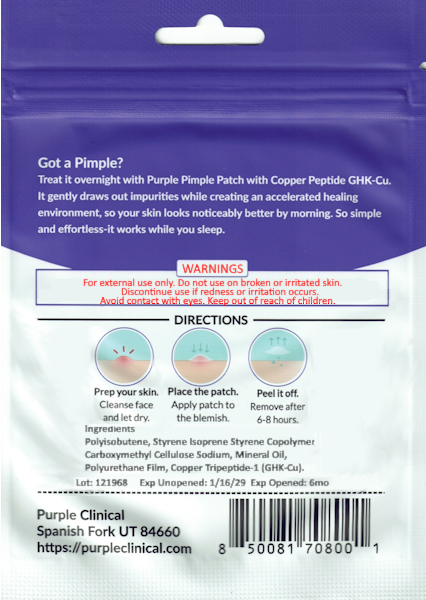
Prep your skin.
Cleanse face and let dry.
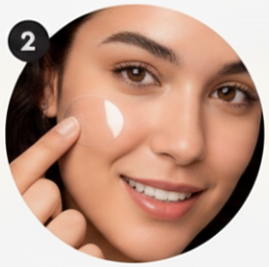
Place the patch.
Apply patch to the blemish.
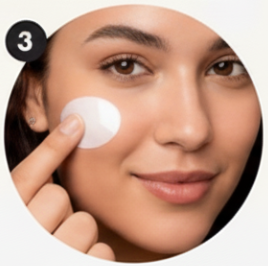
Peel it off.
Remove patch after 6-8 hours.
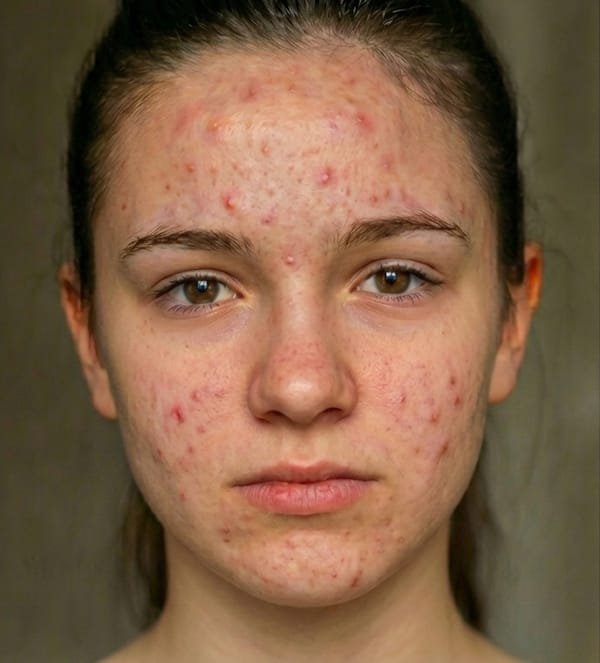
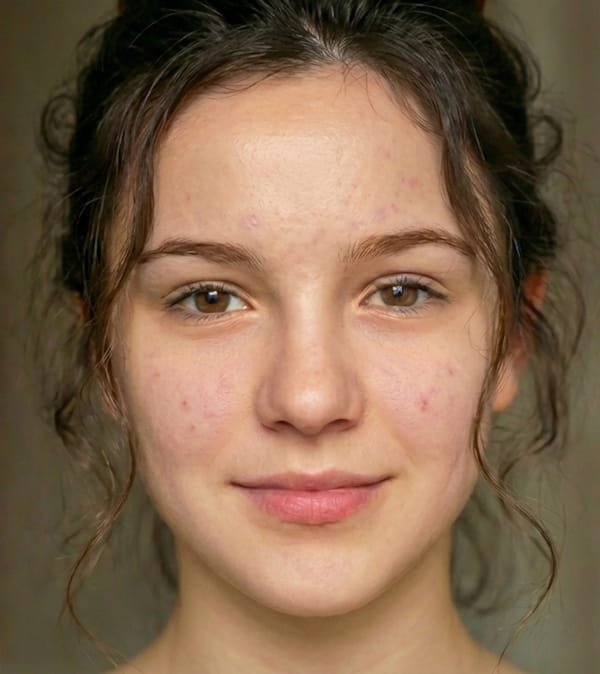
See The Transformation
Real results that speak for themselves. Drag the slider to see the difference. (Some acne appeared without treatment between photos)
Results may vary. Individual results not guaranteed.
👆 Drag the slider left and right to compare
See The Transformation
Science-backed ingredients combined with innovative technology for superior results
Research Backed
Dermatologist-tested hydrocolloid patches that are safe for all skin types
99% Pure GHK-CU
Professional-grade peptide for maximum effectiveness

Vegan & Cruelty-Free
Ethically produced with no animal testing

30-Day Guarantee
Full refund if you’re not satisfied
- Order Your Patches
Complete your order!
30-day money-back guarantee • Free shipping on all orders
Pimple Patches with Copper Peptide: How GHK-Cu Technology Works
Copper peptides have earned serious attention in skincare science. When infused into a targeted hydrocolloid delivery system, GHK-Cu brings blemish-fighting precision that traditional spot treatments cannot match. Here is everything you need to know about how Purple Pimple Patches work and how to get the most from every patch.
What Are Copper Peptides (GHK-Cu)?
GHK-Cu stands for glycyl-L-histidyl-L-lysine copper, a naturally occurring tripeptide found in human blood plasma. Its concentration is highest in youth and declines with age. In skincare, GHK-Cu has been widely studied for its role in supporting the skin's natural repair processes and its ability to promote a healthier skin environment. Unlike harsh drying agents that strip moisture, copper peptides work with your skin's own biology and are gentle enough for sensitive skin.
How Copper Peptides Support Acne-Prone Skin
When a blemish forms, the surrounding skin goes through a natural repair cycle. Redness, swelling, and post-blemish marks are all part of the inflammatory response. Copper peptides support the skin's normal recovery signaling, working alongside your biology rather than forcing a harsh outcome. Purple Pimple Patches embed GHK-Cu directly into a medical-grade hydrocolloid matrix, so every hour the patch is in contact with your skin, it actively delivers copper peptide to the blemish site.
How the Hydrocolloid Patch Mechanism Works
Hydrocolloid technology has been used in clinical wound care for decades. The polymer matrix absorbs fluid from a blemish, creates a moist healing environment, and forms a protective barrier over the affected area. Combined with GHK-Cu, each Purple Pimple Patch delivers three actions simultaneously: absorption of impurities, protection from bacteria and picking, and sustained copper peptide delivery to the skin.
Step-by-Step Guide to Using Copper Peptide Pimple Patches
- Cleanse. Wash your face with a gentle cleanser and rinse thoroughly. Pat completely dry.
- Identify. Target raised, active surface blemishes. These patches work best on whiteheads and pustules.
- Peel and place. Remove a patch using clean fingers and center it directly over the blemish. Press gently around the edges.
- Leave overnight. Apply before bed and leave on for 6 to 8 hours minimum for best results.
- Remove gently. Peel from one corner slowly. A white or opaque patch means it absorbed fluid from the blemish.
- Repeat if needed. Apply a fresh patch the following night for persistent blemishes and continue your regular skincare routine.
Safety and Side Effects
Purple Pimple Patches are free of parabens, fragrances, sulfates, and alcohol, making them suitable for sensitive skin. GHK-Cu at cosmetic concentrations is considered low-risk for most skin types. Patch test on your inner wrist for 24 hours before facial use if you have very reactive skin. Do not use on open wounds, severely broken skin, or active eczema. These patches are cosmetic products and are not intended to diagnose, treat, cure, or prevent any skin condition. If you have persistent or severe acne, consult a board-certified dermatologist.
Frequently Asked Questions About Pimple Patches with Copper Peptide
What makes copper peptide pimple patches different from regular hydrocolloid patches?
Standard hydrocolloid patches absorb fluid and protect the blemish but add no active ingredient. Purple Pimple Patches combine that proven hydrocolloid base with GHK-Cu copper peptides that interact with the skin's natural repair environment while the patch works overnight, giving you two complementary mechanisms in one thin patch.
Can I wear Purple Pimple Patches under makeup?
Yes. The patches sit flat against the skin and are thin enough to wear under foundation or concealer. Apply makeup gently over the patch using a damp beauty sponge rather than a brush directly on the patch site.
How many patches come in each pack and how long will one pack last?
Each pack contains 36 patches in multiple sizes so you can match the patch to the blemish. Using an average of 2 to 3 patches per week, one pack lasts approximately 12 to 18 weeks.
Are pimple patches with copper peptide safe for sensitive skin?
GHK-Cu is gentle and non-irritating at cosmetic concentrations. The formula is fragrance-free, paraben-free, and alcohol-free. If you have very sensitive or reactive skin, we recommend a patch test on your inner wrist before applying to your face.
How long should I leave a patch on for it to work?
Leave each patch on for a minimum of 6 hours. Overnight application of 6 to 8 hours delivers the best results. The longer the patch maintains contact with the blemish, the more effectively the hydrocolloid absorbs impurities and the GHK-Cu interacts with the skin.
Do these patches work on all types of acne?
Copper peptide pimple patches work best on surface-level blemishes such as whiteheads and raised pustules. They are less effective on deep cystic acne that forms below the skin's surface. For persistent or severe acne, consult a dermatologist for personalized recommendations.